Forest to Handcrafted Art ..The Lyndaker - Zehr Woodworking Legacy
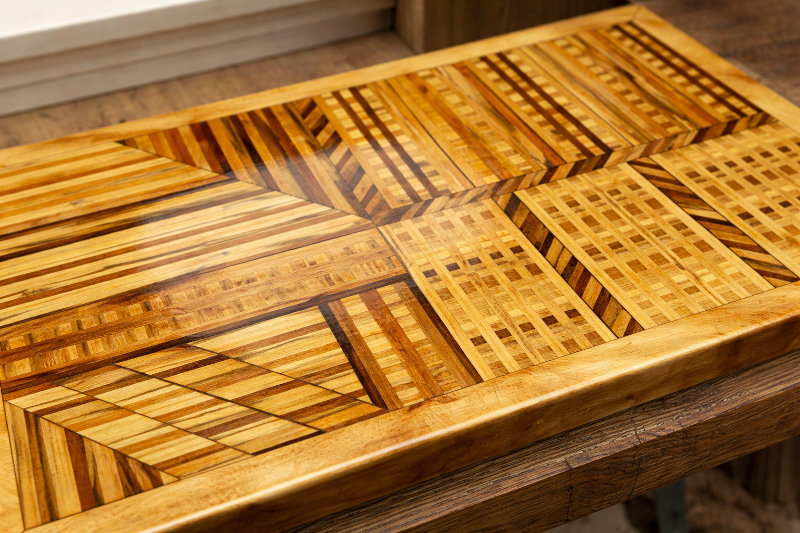 Zehr Wood Artistry is rooted in a deep love for natural wood—an appreciation that can be traced back over three generations. This connection to the forest, the land, and the craft has been passed down through time, shaping not only skills, but values.
The following historical account, originally published in the January 1955 issue of The Northeastern Logger, offers a glimpse into the early origins of this tradition.
From Forest to Craft: The Lyndaker Story
"Joseph Lyndaker came, with his parents, from Alsace Lorraine when he was a boy of eight. His family settled at New Bremen, in the Black River Valley of Northern New York.
As Joseph grew to manhood, he purchased a farm near the neighboring village of Croghan. The land included fertile fields and a large forest of pine, spruce, hemlock, and Adirondack hardwoods. His children worked alongside him—fields in the summer, woods in the winter—gaining a deep understanding of both land and timber.
One of his sons, Christian Lyndaker, born in 1867, carried this knowledge forward. He worked in logging, peeling hemlock bark for tanneries, and eventually became a logging operator in 1901. His work included harvesting virgin pine in the Long Pond area, with logs driven downriver to mills in Croghan.
Driven to understand the full journey of wood—from stump to finished product—Christian became a skilled sawyer, working for years in local mills. Even in his later years, his passion for craftsmanship endured.
At the age of 87, he continued building fine custom furniture. One remarkable piece, a desk top composed of more than 9,000 individual pieces from over 40 species of wood, stands as a testament to his patience, precision, and artistry.
Christian Lyndaker’s life reflects not just hard work, but a deep respect for the material itself—an understanding that wood carries both beauty and story within it."
Carrying the Tradition Forward
This tradition continued through the next generation. My grandfather, Paul Lyndaker, operated a farm and sawmill on the family homestead. The property, remembered fondly by his children, was a place where work, family, and craftsmanship came together.
In his retirement, Paul built a home with a woodshop in the basement, where he continued creating. Though I was very young when he passed and never had the chance to work alongside him, I do remember seeing his work and photo of his work, his influence remains.
Today, I carry that legacy forward—guided not only by history, but also by the wisdom of family members like my great-uncle Ednor and my cousin Norm, who shared their knowledge and experience.
Where the Beauty of the Wood Does the Work
At Zehr Wood Artistry, each piece reflects this heritage—respect for the material, attention to detail, and a belief that the natural beauty of the wood itself is the true centerpiece.
This is more than woodworking. It is a continuation of a story that began generations ago in the forests of Northern New York.
The Rediscovery of a Lost Technique
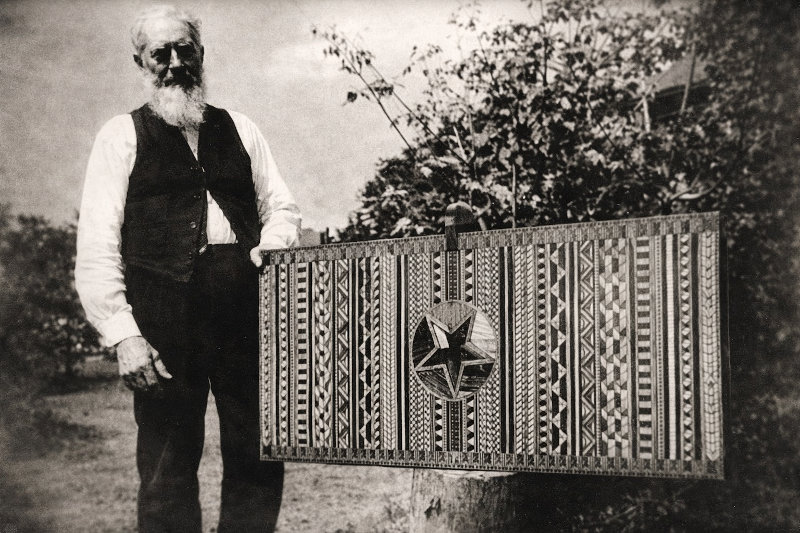 For a time, part of this woodworking tradition was nearly lost.
My grandfather’s stepbrother, Ednor, faced a life-changing moment after a serious injury while working on a barn-building crew. He was offered the opportunity to receive disability for the rest of his life. Instead, he made a different choice.
He asked for help purchasing woodworking tools—and in return, committed to building a life of independence through his craft.
At that time, a client approached him with a unique request: to recreate a desk like those built by his stepfather and stepbrother. The technique behind that work was not something he had been taught. It had to be rediscovered.
Through persistence and experimentation, Ednor taught himself the process, eventually becoming a highly skilled woodworker in his own right.
Years later, as I began to take woodworking more seriously, my mother suggested I visit him. That afternoon, he shared the complete technique with me—something no one else knew at the time.
That moment marked one of the most important turning points in my own woodworking journey, shaping the designs and direction that continue to evolve today.
Early Work & Exploration
Long before refining the techniques used today, there were years of experimentation—learning how different woods behaved, how patterns interacted, and how design could emerge from the natural material itself.
Some of these early pieces, created over 25 years ago, represent the foundation of what would eventually become Zehr Wood Artistry.

Where the beauty of the wood does the work.
Brad Zehr | ZehrWoodartistry.com | brad@zehr.net