020 What Victorian Builders Knew About Wood
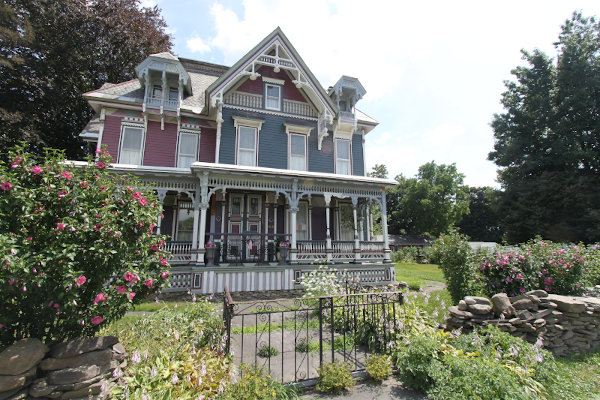
Walk through a well-preserved Victorian home and it's easy to admire the craftsmanship.
The grand staircases, detailed trim, hardwood floors, solid doors, and carefully crafted moldings seem almost timeless.
After more than a century, many of these homes remain beautiful and structurally sound.
It's tempting to think those builders simply had better lumber.
In reality, they also had something equally valuable.
They understood wood.
Not just how to cut it.
They understood which species belonged where—and why.
Every Species Had a Purpose
Victorian builders didn't usually choose lumber based only on appearance.
They balanced strength, stability, workability, durability, availability, and cost.
Every board had a job.
The species they selected often reflected generations of practical experience passed from one craftsman to another.
White Pine — The Builder's Friend
White pine was one of the most important woods used throughout the Victorian era, especially in the northeastern United States.
It was plentiful, easy to work with hand tools, relatively stable, and produced long, straight boards.
It also accepted paint beautifully.
That's one reason so much painted Victorian trim, window casings, and decorative molding were made from pine.
Builders knew that once painted, the beauty came from the craftsmanship rather than the species itself.
Oak — Built to Last
Where strength and durability mattered, oak was often the preferred choice.
It became increasingly popular during the later Victorian years for staircases, flooring, newel posts, entry halls, and fine interior woodwork.
Its bold grain gave a room a feeling of permanence.
Many oak staircases have welcomed families for well over a hundred years, proving those builders understood exactly where its strength would matter most.
Chestnut — The Wood We Can No Longer Replace
Before the American chestnut blight forever changed our forests, chestnut was considered one of the finest building woods available.
It resisted decay naturally, remained relatively lightweight, and was pleasant to work with.
Builders used it for trim, framing, siding, doors, and countless other applications.
Today, finding original chestnut in an old home is like discovering a piece of living history.
Cherry and Walnut — Beauty Worth Showing
Cherry and black walnut were often reserved for places where their natural beauty could be appreciated.
Fine furniture, libraries, decorative paneling, mantels, and elegant interior details showcased these remarkable woods.
Their rich colors and graceful grain patterns required little decoration beyond a carefully applied finish.
The wood itself became part of the artwork.
Maple — Built for Everyday Life
Maple offered exceptional hardness and wear resistance.
It became a natural choice for flooring, work surfaces, and locations where years of daily use demanded a durable material.
Its clean appearance also complemented many different architectural styles.
Poplar — The Quiet Hero
Poplar rarely receives the attention given to walnut or cherry, yet Victorian builders used enormous amounts of it.
It machined easily, remained stable, carved well, and accepted paint exceptionally well.
Much of the painted trim found in historic homes may actually be poplar.
Sometimes the smartest choice wasn't the most expensive wood.
It was simply the right wood for the job.
Nothing Was Wasted
One lesson becomes clear when studying old homes.
Good lumber wasn't treated casually.
Builders respected it.
Beautiful boards were often placed where they would be seen.
Paint-grade lumber served painted surfaces.
Durable species went where moisture or wear demanded them.
Every decision reflected careful thought rather than habit.
Lessons That Still Matter
Modern woodworking offers countless new products, finishes, and engineered materials.
Yet the principles practiced by Victorian builders remain surprisingly relevant.
Choose materials for their strengths.
Let appearance follow function.
Respect the natural characteristics of each species.
Don't force every board to do every job.
Good design often begins by asking what the material does best.
Looking Beyond the Species
The more I learn from historic homes, the more I appreciate that these builders weren't simply constructing houses.
They were solving problems with the materials available to them.
They understood that wood wasn't just lumber.
It was a natural material with its own personality, strengths, and limitations.
That wisdom is just as valuable today as it was more than a century ago.
Final Thoughts
One of the greatest lessons Victorian builders left behind isn't found in a blueprint.
It's found in the choices they made.
They selected each species for a reason.
They understood where strength mattered.
Where beauty belonged.
Where paint would protect.
And where natural wood deserved to be admired.
More than a hundred years later, many of those decisions are still standing.
Perhaps that's the greatest compliment we can give their craftsmanship.
The houses continue teaching us.
All we have to do is pay attention.

Where the beauty of the wood does the work.
Brad Zehr | ZehrWoodartistry.com | brad@zehr.net